
How to Clean and Maintain Your Fencing Equipment
Fencing equipment is used repeatedly during training and competition. Sweat, friction, impact and regular handling can gradually affect its condition.
A simple maintenance routine helps fencers identify problems early, keep equipment organised and know when an item needs repair or replacement.
The correct method depends on the material and the manufacturer's instructions. Protective equipment and electrical components require particular care, so avoid using cleaning methods that could damage them.
Caring for Fencing Shoes
How to Clean and Maintain Fencing Equipment?
Fencing shoes experience repeated changes of direction, acceleration, braking and contact with the piste. Over time, the outsole and upper materials may show signs of wear.
After training, inspect your shoes for:
Excessive outsole wear or smooth areas.
Loose stitching, damaged overlays or separation between components.
Damage around the toe and heel.
Changes in fit or support.
Persistent odour or moisture.
Allow your shoes to air-dry after use. Remove loose dirt with a suitable soft brush or cloth, following the manufacturer's cleaning instructions.
Avoid placing shoes directly on a radiator or using intense heat to dry them, as this may damage adhesives or materials.
It is also sensible to reserve a pair of shoes for indoor fencing rather than wearing them outdoors. Outdoor use can introduce dirt and grit and may accelerate wear.
When should you replace fencing shoes?
There is no universal replacement interval. Shoe lifespan depends on training frequency, movement patterns, surface conditions, body weight, materials and construction.
Replace or professionally assess footwear when damage affects its fit, structural integrity or suitability for use. Visible wear is useful information, but appearance alone does not tell the whole story.
Explore the OCTAV fencing shoe collection if you are considering footwear for your next training cycle.
How to Wash Fencing Socks
Fencing socks are worn for repeated physical activity, so regular washing is important for hygiene and comfort.
Check the care label before washing. Follow the recommended temperature and washing method, and avoid bleach or fabric softeners unless the manufacturer specifically confirms they are suitable for the material.
Fabric blends and grip elements can respond differently to heat, detergents and mechanical abrasion. Turning socks inside out, where appropriate for the product, can help clean the areas that contact the foot.
Allow socks to dry fully before storing them. Avoid leaving damp socks compressed inside a closed fencing bag for extended periods.
What about fencing grip socks?
Grip socks have additional construction features that may require specific care.
Washing Instructions
IMPORTANT: Please only use colour-safe detergents, free of bleach, optic whitening or oxidising agents, to wash this item.
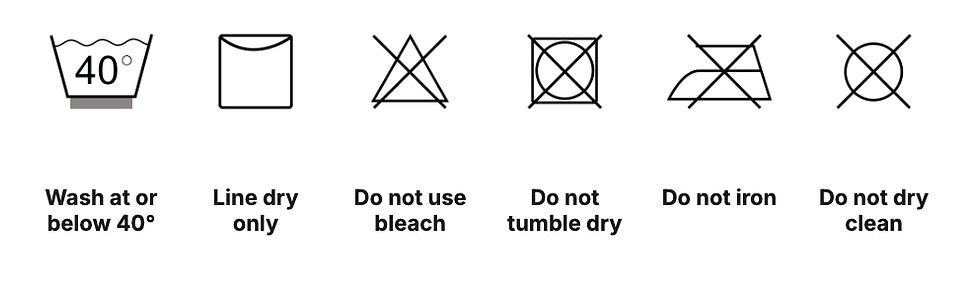
Inspect the grip areas periodically for significant wear, separation or damage. If the socks no longer fit properly or their construction has deteriorated, consider replacing them.
OCTAV Precision Grip Socks are designed specifically for fencing. You can find sizing and product information on the OCTAV website.
3. Maintaining Your Fencing Mask
A fencing mask is an important piece of protective equipment. It should be inspected regularly and maintained according to the manufacturer's instructions and the applicable competition rules.
Check the mesh, bib, straps, padding and fastening systems for visible damage or deterioration. Do not continue using a mask if its condition raises a safety concern.
Avoid bending the mesh, modifying structural components or using aggressive cleaning chemicals unless the manufacturer explicitly permits the method.
A mask that has experienced a significant impact or has developed damage should be assessed by a qualified person or replaced as appropriate. Cleaning alone cannot restore damaged protective properties.
4. Looking After Fencing Clothing
Fencing jackets, breeches, gloves and other garments experience sweat, friction and repeated washing.
Check garment labels before cleaning and use the recommended method. Fasten closures where appropriate, separate heavily soiled items and allow garments to dry completely before storing them.
Inspect seams, fasteners and areas exposed to repeated friction. If protective clothing becomes damaged or no longer meets the applicable requirements, do not assume that washing or minor cosmetic repairs will restore its suitability for competition.
Protective clothing should always be maintained in accordance with the manufacturer's instructions and relevant fencing regulations.
5. Caring for Weapons and Electrical Equipment
Weapons and electrical components require a different maintenance approach from clothing and footwear.
Inspect blades for damage and check handles, guards, tips and electrical connections as appropriate to your weapon. Body cords and other electrical equipment should be checked for damaged insulation, loose connections or intermittent operation.
Use the manufacturer's maintenance instructions and ask your coach or a qualified armourer to assess problems you cannot safely resolve yourself.
Do not attempt improvised repairs to safety-critical components or continue using equipment that appears unsafe.
Keep weapons secured during transport and follow club and competition rules for handling them.
6. Organise Your Fencing Bag
A well-organised bag makes it easier to find equipment and identify missing items before training.
Consider separating clean clothing from used clothing and keeping damp items in a suitable ventilated or washable compartment. Avoid sealing wet equipment in a bag for long periods.
After training, take out damp clothing and socks, allow footwear to dry and inspect equipment before packing it away again.
Keep small electrical accessories in a dedicated compartment so they are easier to locate and less likely to become tangled or damaged.
A consistent routine takes only a few minutes and makes equipment management easier over time.
7. Create a Simple Maintenance Schedule
When | What to do |
After each session | Air-dry shoes, remove damp clothing and check for visible damage |
Weekly | Inspect shoes, socks, clothing and electrical accessories more carefully |
Before competition | Check required equipment, weapon function and protective gear condition |
When damage appears | Stop using potentially unsafe equipment and seek appropriate assessment |
This schedule is a practical starting point, not a substitute for equipment-specific instructions or formal inspection requirements.
Conclusion
Maintaining fencing equipment is part of being prepared for training and competition. Regular cleaning, proper drying, careful storage and routine inspections help fencers identify wear before it becomes a bigger problem.
Pay particular attention to protective equipment and electrical components, where damage may affect safety or reliability. For shoes and socks, follow the manufacturer's care instructions and replace items when their condition or fit is no longer suitable.
A few consistent habits can help you keep your fencing equipment organised, comfortable and ready for your next session.


